
Table of contents
In recent years airlines have started to tack on more and more luggage fees for flights. If you can pull off traveling super light and not checking any luggage then your life will be much easier. Regardless of how hard I try to avoid checking in baggage there are times where you need to bring all your skiing gear, 27 inch monitor, or your massive stuffed animal to keep you company. Here are eight tips to help you avoid or reduce your baggage fees.
1. Ship Your Baggage Before Your Trip
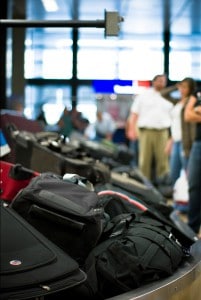
2. Push the “Carry-On” Rules to the Max
While some major airlines are fairly relaxed about carry-on baggage, many airlines have very strict and sometimes complex rules about the size and weight of your baggage. What’s the definition of a linear centimeter again!? But despite the strict sounding rules and regulations, you’ll be surprised what the airlines let you get away with. One traveler flew to Peru on Spirit Airlines and a no-extra-cost ‘Personal Item’ was a backpack containing everything the traveler needed for the 12 day trip. The fee to check this bag (round-trip) would have otherwise been an exorbitant $80. (The round trip ticket was only $212) 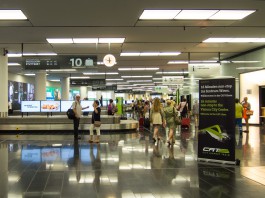
3. Check Bags Plane-Side
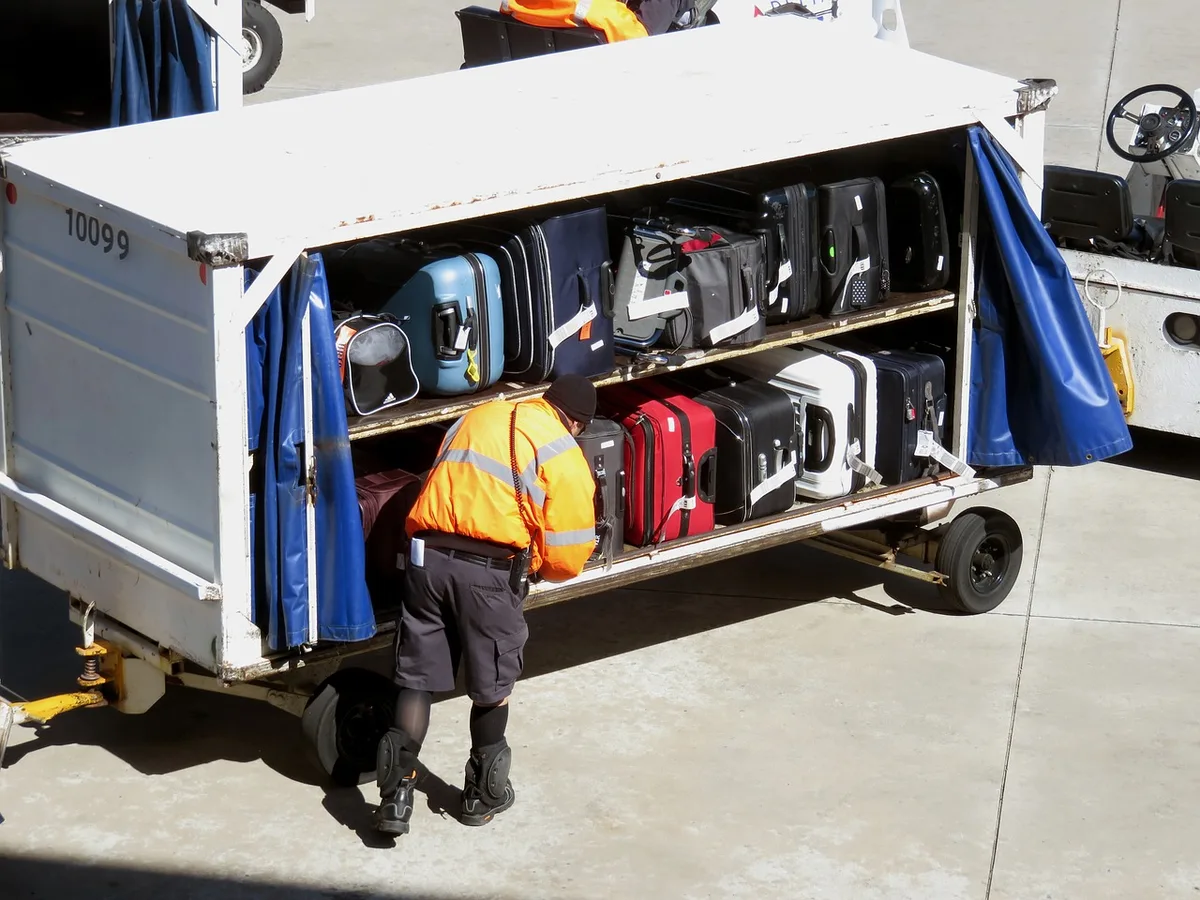
Not only does saying your going to check your bag “plane-side” make you sound badass it can save you some dough. Let me preface with the following warning: don’t think of trying this on any budget airline. That said, many U.S. based airlines (and some airlines around the world) will allow passengers to check baggage right as you board the plane at no charge. This happens at the end of the jet-way right before you step onto the plane. Usually there will be maintenance workers there who can take your excessively large carry-on bags down into the aircraft cargo hold. Sometimes the gate agents will encourage passengers to check oversized luggage like this or those who are in the seating zones that board the plane last (as there will likely be no more room in the overhead bin compartments of the passengers who board the plane last). 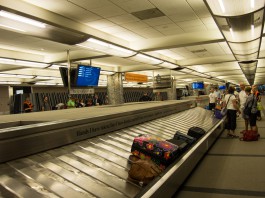
4. Carry Less, So You Don’t Have to Check Anything In
It’s natural to over pack, everyone does it at some point in their travels. It seems like everyone has stories of thinking they packed light, and then needed to ship 25% of their stuff back home because it wasn’t needed after all. When in doubt, leave it at home. Try to limit your travel clothes to garments you’ll use regularly on your trip. Scale back on the quantity of toiletries (you’ll be able to buy more on your trip if needed), and diligently resist bringing lots of electronic gadgets. Bringing clothes that dry quickly will make doing laundry easier, meaning you can bring less clothing overall (and do laundry more often – taking your shower experience to a new level!).
5. Check Fees and Size & Weight Details Before You Buy (Or Fly Airlines that Don’t Charge Annoying Fees)
Guessing which airlines charge a fee to check your bags can leave you surprised (and with a hole in your wallet). For example, in the USA, “budget” airlines often don’t charge baggage fees, which full-fare airlines do. Meanwhile in Europe and Asia, budget airlines are the ones charging high luggage fees and full-fare airlines often have generous free baggage policies. Check airline websites for baggage rules, including free baggage allowances. If you’re comparing ticket prices from two different airlines (and you’re planning to check baggage) just make sure to add in any applicable baggage fees when comparing their prices. A $20 savings in the upfront cost of the ticket could mean you get stuck on an airline that charges $30 or more for checked luggage than the other airlines.
6. Check the Carry-On Rules – Only Bring Cabin-Friendly Items
While the American “TSA” airport security officers are known for being not-so-friendly and having some strange and questionable security screening methods, European airport security can be at least at tough. In other parts of the world, the rules tend to be more relaxed. (One big exception: Israel. The toughest airport security agents in the world work at Tel Aviv’s international airport – expect the unexpected). Read more: Can You Take a Pen on a Plane? Check the rules before you fly to make sure everything you hope to bring in your carry-on bags can actually safely make it onto the plane. Generally speaking the keep liquid bottles smaller than 100mL (3 oz) and make sure they fit into a one-quart (1 liter) zip-lock bag. This seems to work well even outside the U.S. in Europe, Asia, and South America.
7. Use a Frequent Flyer Credit Card
Some airlines offer easy ways to get extra free baggage allowance. In the USA this typically involves signing up for an airline’s credit card. For example the American Airlines Citi Visa card allows cardholders a free checked bag on all American Airlines flights worldwide. See this link for more information: https://www.citi.com/credit-cards/credit-card-details/detail.do?ID=citi-platinum-select-aadvantage-visa-credit-card
8. Bundle Up! – Wearing Your Luggage
If your airline wants to charge you an over-weight baggage fee for a just-slightly-overweight bag, there’s no need to panic. Just start layering up! The airline can’t charge you extra if you take that extra weight worth of clothing, boots or whatever it is, and wear it onto the plane instead of checking it in with your luggage. Swap your sandals for ski boots (or other heavy item) to get through security and past the airline gate agents. You can take off your ski boots and multiple winter jackets once you actually get on the plane. Don’t worry, you’ll face just a few minutes of discomfort and save big on those pesky baggage fees. What about you? Any other tips you can think of to save on baggage fees?