

Table of contents
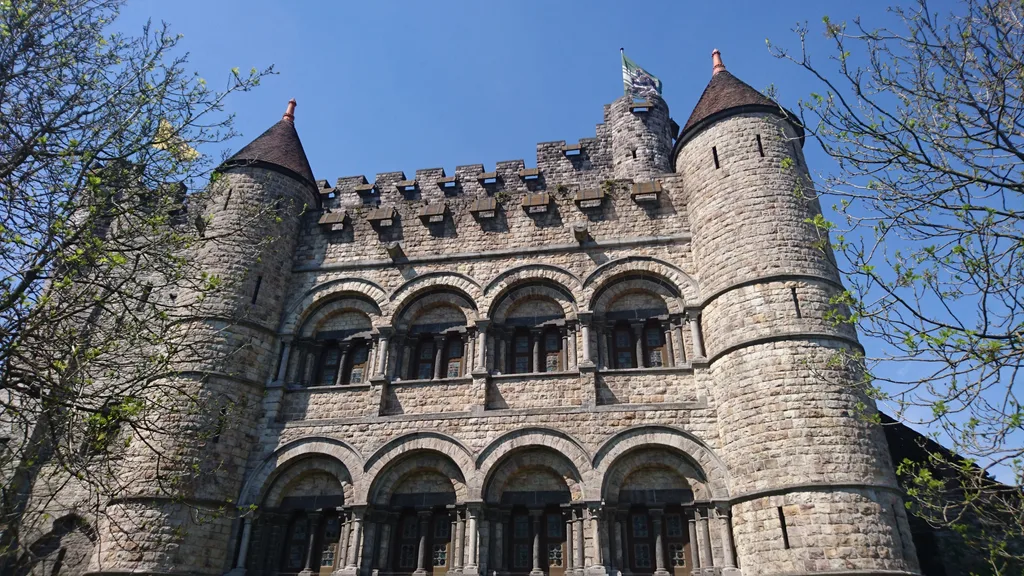
Like other Belgian cities, Ghent doesn’t quite wear its heart on its sleeve. When you arrive you have to navigate the bustling streets and cobblestones, and while no one view shows all Ghent has to offer, every turn has the potential to astound. But perhaps the most striking scene in the city can be found on the small Sint-Veerleplein, when you’re looking up at the medieval Gravensteen. Medieval castles were meant to be imposing things, and this one definitely got that right. Its massive gates and battlements soar above most other buildings in the historic center, and there is a palpable sense of past in its that seeps into the castle’s surroundings.
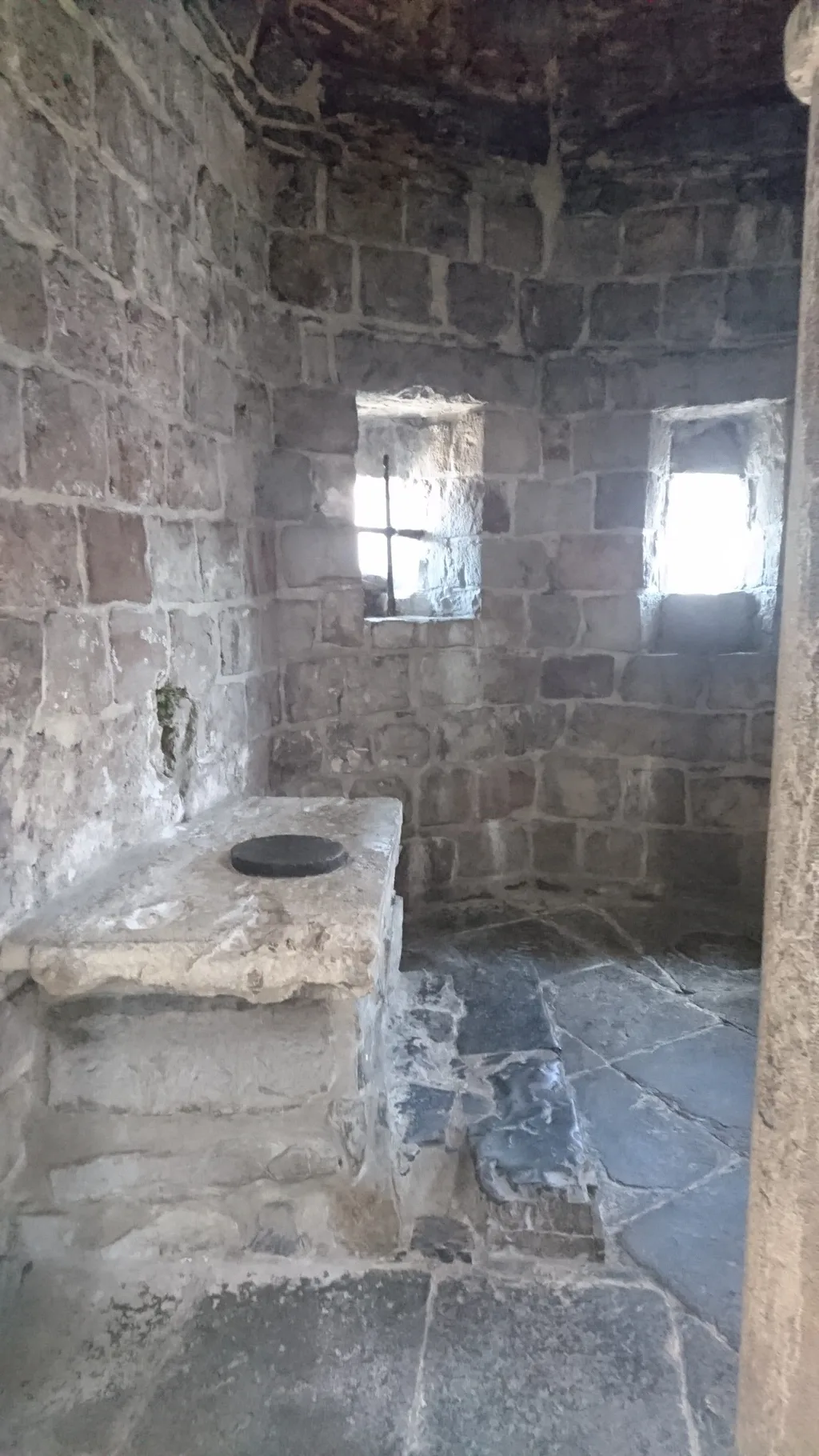
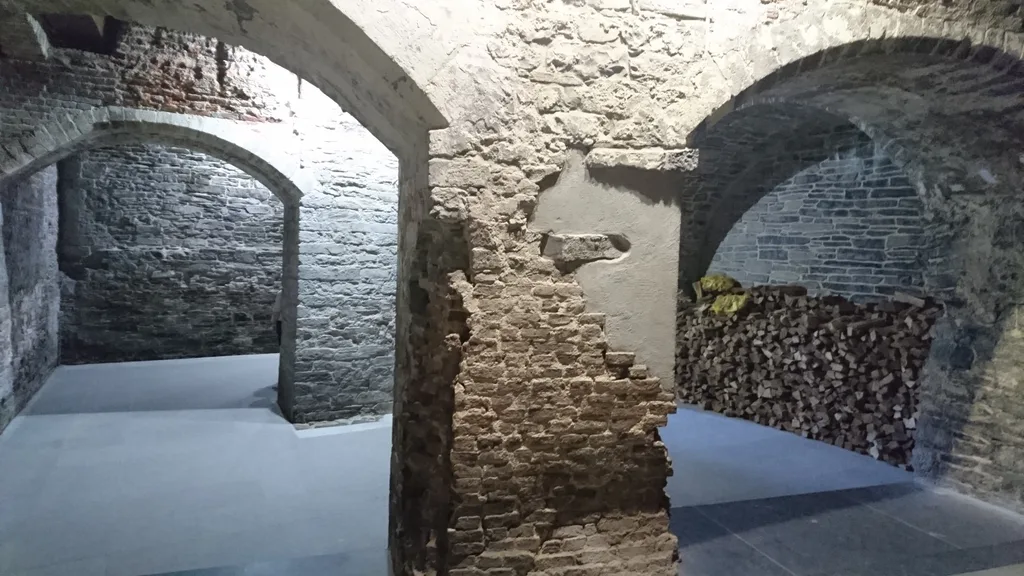
Gravensteen, or the Castle of the Counts, is the jewel in Ghent’s historical crown. First built by Arnulf I, Count of Flanders, Gravensteen has been keeping watch over this spot on the Leie River for over 800 years. The original wooden bastion was rebuilt with stone in the 11th Century, when it was infused with a little bit of luxury and a lot of local power. Unfortunately, this castle burnt down in 1176, but Count Philip of Alsace made sure that its next incarnation – built three years later – would be jaw-dropping. The central keep is over 100 feet high, and its battlements offer a view of the whole of Ghent. Read more: The Quietest Cities in Europe
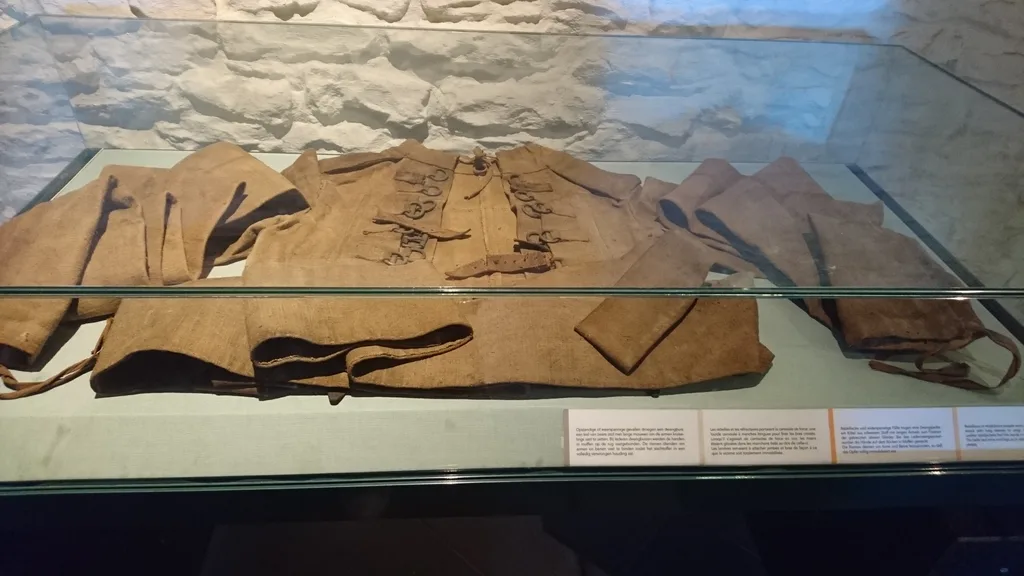
But with the glory of expansion and reinvention, Gravensteen also saw an increasingly violent turn of events. It became the seat of justice, but was used to subjugate, torture and imprison personal enemies of the counts, and it even became the local seat of the Inquisition. By the 19th Century, it had become synonymous with feudal injustice and cruelty, and it was almost demolished to make way for roads and housing. 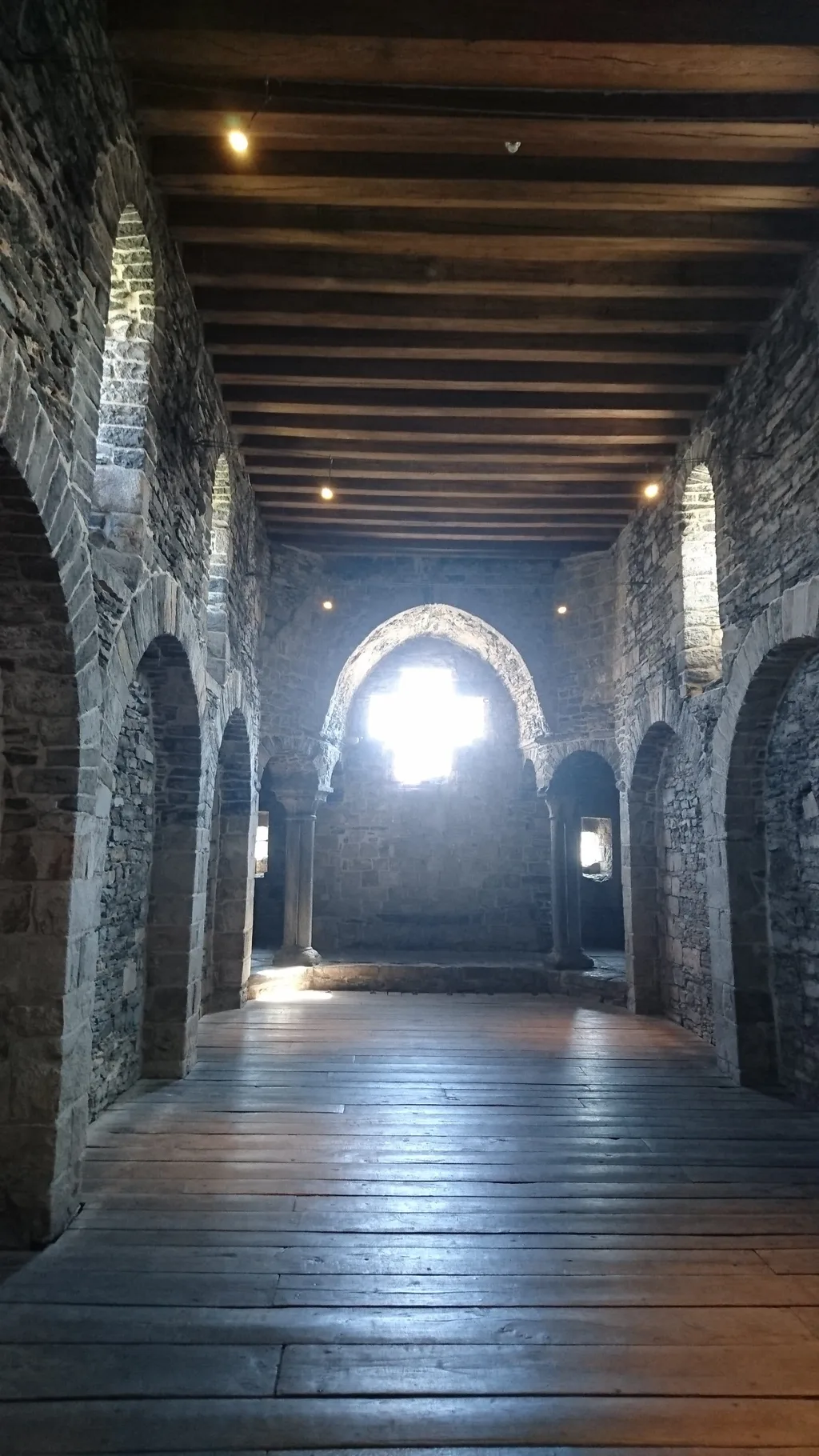
Read more: The Hague city guide Best Cities in Europe for English Speakers Europe travel
Related travel guides
Keep planning with these closely related guides from Truly Traveled:
- 15 Best European Cities to Visit in January 2021 - stays in the same travel category for deeper research.
- A Guide to Keukenhof: Tiptoeing through the Tulips - stays in the same travel category for deeper research.
- A Trip to Blue Lagoon Hotel Iceland - stays in the same travel category for deeper research.
- Best Non Touristy Places to Visit in Europe - stays in the same travel category for deeper research.
Updated Planning Notes
Use this guide as a starting point, then verify the details that change fastest: opening hours, ferry or flight schedules, local transport rules, entry fees, seasonal closures, weather alerts, and booking requirements. For Castle of the Counts, the best itinerary is usually the one that keeps the original appeal of the destination while leaving enough flexibility for real-world travel conditions.
If you are comparing several options, start with timing and logistics before choosing hotels or tours. A slightly less famous area can be the better choice when it gives you easier transport, better prices, or more time actually enjoying the trip instead of moving between stops.
Frequently Asked Questions
How should I use this guide today?
Use the main article for inspiration and route ideas, then confirm current prices, local rules, and availability close to your travel dates. Travel details can change quickly, especially around holidays and high season.
What is the best way to avoid overplanning?
Choose two or three priorities and build the trip around them. Keep one flexible block for weather, transport delays, or a slower local experience that you discover after arrival.
Is this still useful for budget planning?
Yes. The best budget decisions usually come from reducing transfers, booking the right base, eating locally, and avoiding peak travel windows when possible.
What should I check before booking?
Confirm transport connections, cancellation rules, neighborhood location, seasonal weather, and whether major attractions require advance reservations.