
Table of contents
Bounded by almost all the oceans of the world and connected to its sibling to the south, North America houses a multitude of countries, both large and small. Known far and wide for its illustrious cities, it also has nature so wondrous to behold. However, judging by its population and size, it is quite an average continent. Population totals below are metropolitan-region estimates and can shift over time depending on boundaries and sources—treat them as useful comparisons, not exact rankings. It falls behind Asia and Africa in terms of size, which are far greater continents, but also more populated. Speaking of the number of people there, it receives the 4th place in this continental race of ours. Europe is ahead of it by mere 150,000 people, but still ahead. 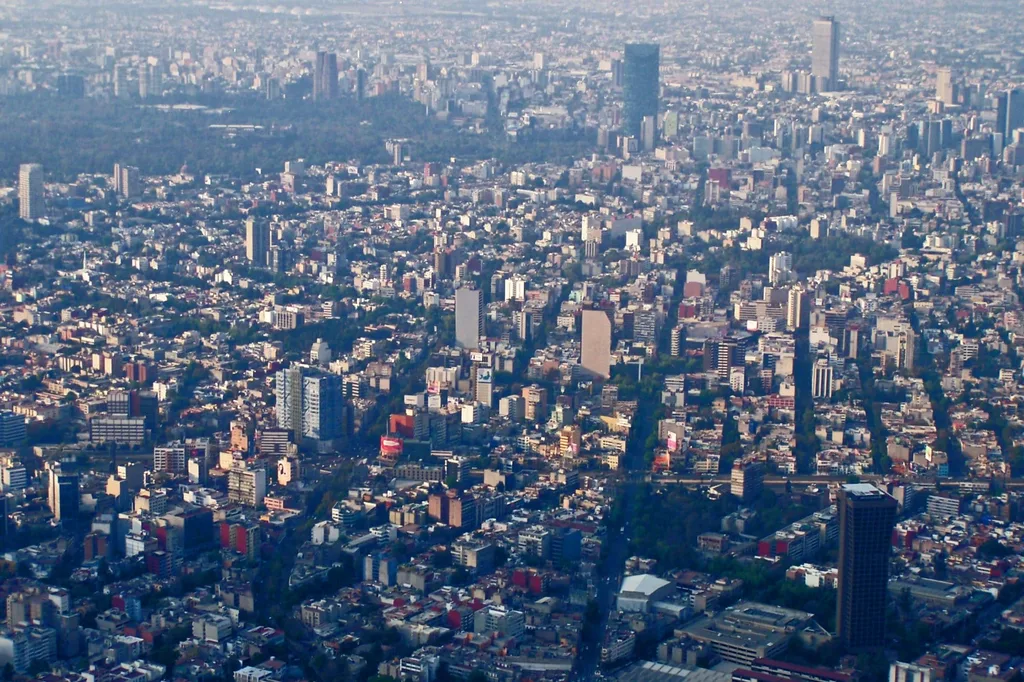
Largest cities in North America by population
Mexico City, Mexico
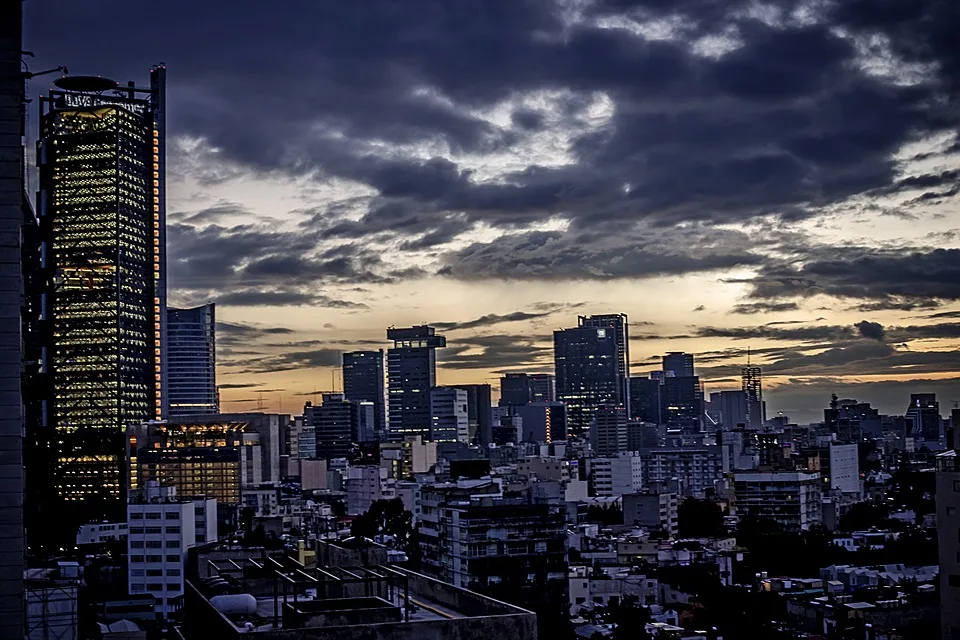
The single most populous city in North America is quite expectedly Mexico City. The capital of the country of Mexico, its enormous metropolitan area contains 21.2 million people. Not only does this incredible figure make it the most populated city of North America, but also in the western hemisphere. Almost 9 million people live in the capital itself and they are spread across 1,485 square kilometres. Having done the math, or letting us do it for you, you’ll realise that there are 6,000 people per square kilometre. 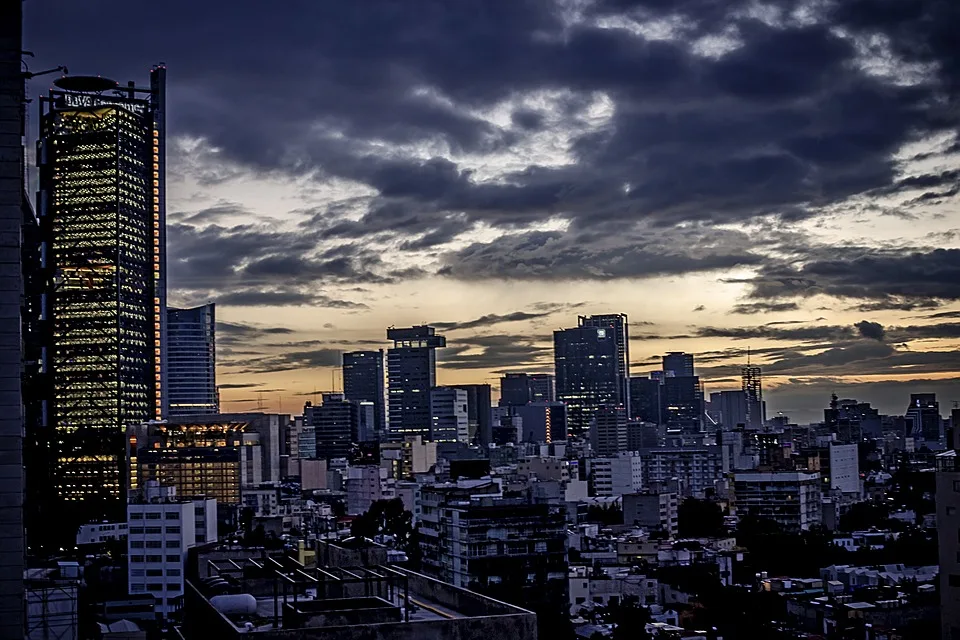
New York City, USA
The next entry on our list is the one that was probably the easiest to foresee. ‘The Big Apple’, Times Square and Manhattan are names and titles most people in the world have heard of. New York City has the largest metropolitan area of all North American cities, amounting to stunning 34,490 square kilometres. About 20.3 million people live in this combined area that includes New Jersey, the surrounding islands and places such as Bridgeport and New Haven. The city proper has almost 8,623,000 residents living in 1,213 square kilometres. Read more: Weekend Getaways from NYC by Train 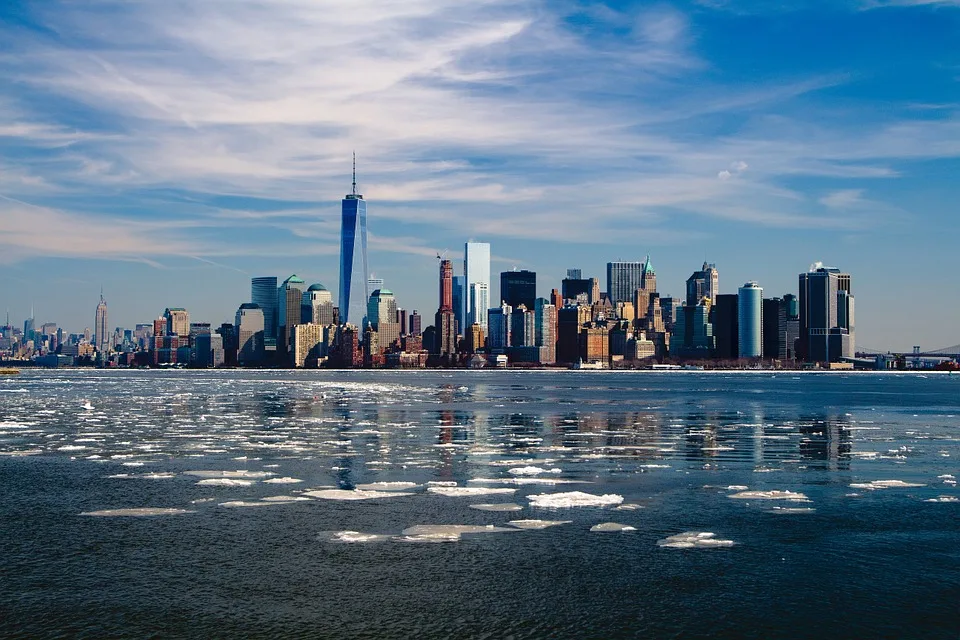
Los Angeles, USA
Where to start with this one? Let’s get the numbers out of the way first and then we’ll get to details. Los Angeles is the third largest city in North America, with the metropolitan population of 13.3 million people. The inner core is 1,302 square kilometres large, with about 4 million people living there. The total population includes counties of Riverside, Ventura and San Bernardino. 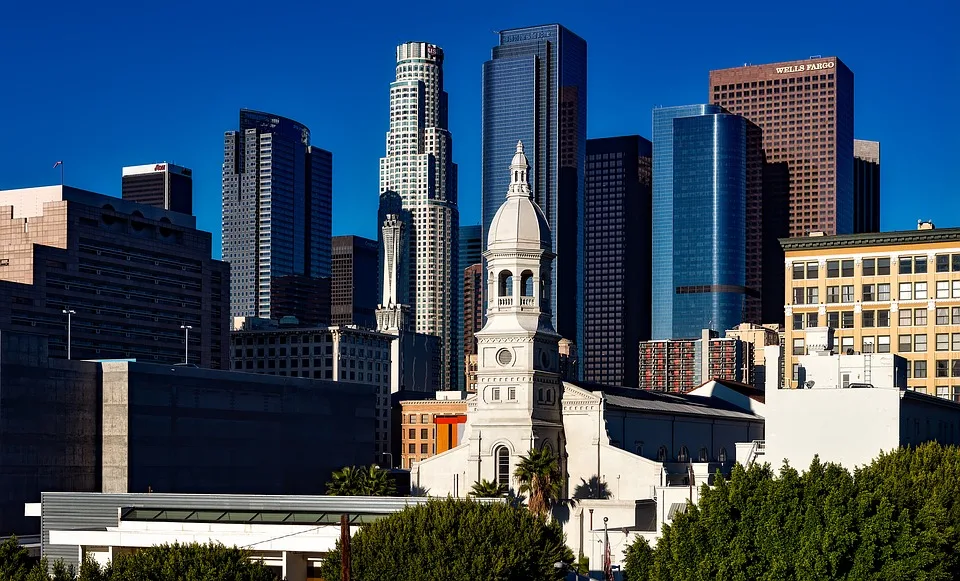
Chicago, USA
Metropolitan area of this, one of the largest cities of North America, amounts to 9.5 million people. Known as Chicagoland, Chicago-Naperville-Elgin metropolitan area is among the largest cities in North America. While the core of Chicago, Illinois takes up ‘only’ 606 square kilometres, it still has a decent population of 2.6 million people. 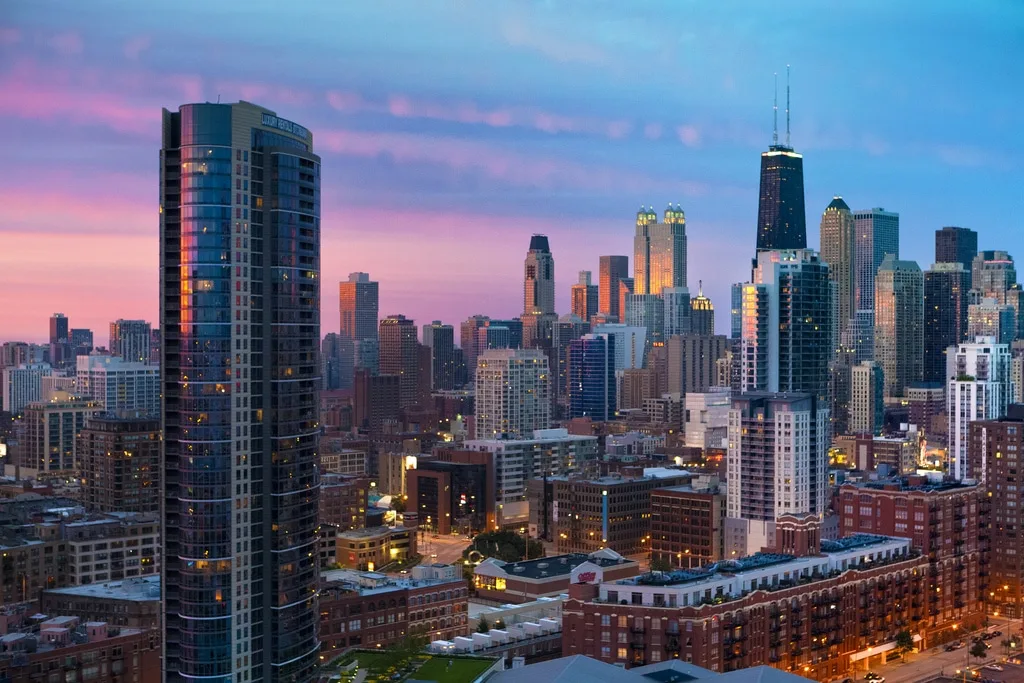
Dallas - Fort Worth, USA
More than 7.2 million people live in Dallas - Fort Worth metroplex - and yes, metroplex is a word! It is most commonly associated with this particular instance, a metropolis complex consisting of two cities. Together, they take up a massive 24,059 square kilometres chunk of land, making it nearly as big as New York City. All that land really does allow for larger groups of people to live here, making this area one of the biggest in North America. 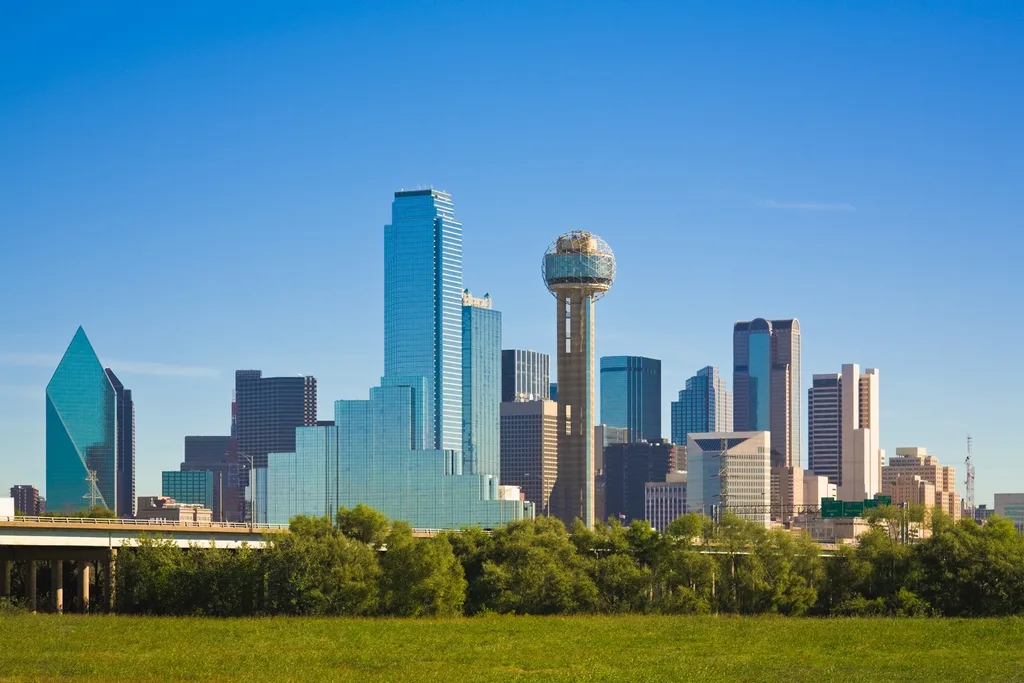
Houston, USA
Houston-The Woodlands-Sugar Land metropolitan area comprises a place that is much better known as Greater Houston. It boasts 6.6 million people living in an area of 26,061 square kilometres. Greater Houston has seen one of the fastest population increases in all of the United States - it grew by a quarter in just 10 years during the 90s. It is also the second biggest area in Texas, after Dallas - Forth Worth metropolitan complex. Houston, when left on its own, has got only 2.3 million people that settle 1,623 square kilometres. 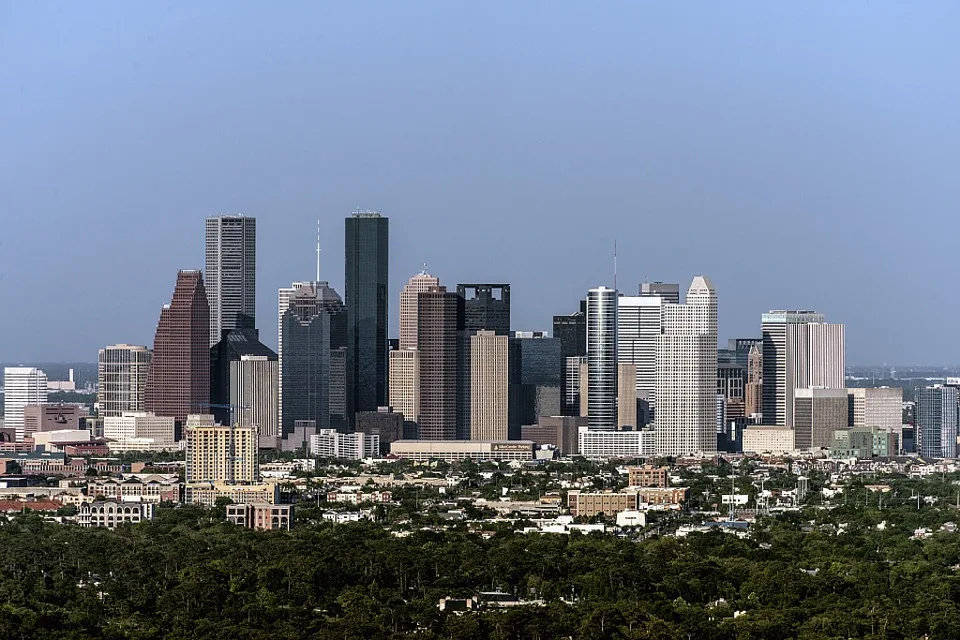
Toronto, Canada
Greater Toronto Area is home to at least 6.4 million people living in a metropolis that encompasses Halton, Peel, York and Durham. Together, they take up 7,124 square kilometres of land, while individually, Toronto covers only 630 square kilometres. It is the capital of the most populous province of Ontario and subsequently the most populous city in Canada. The city itself has got a population of 2.7 million people. 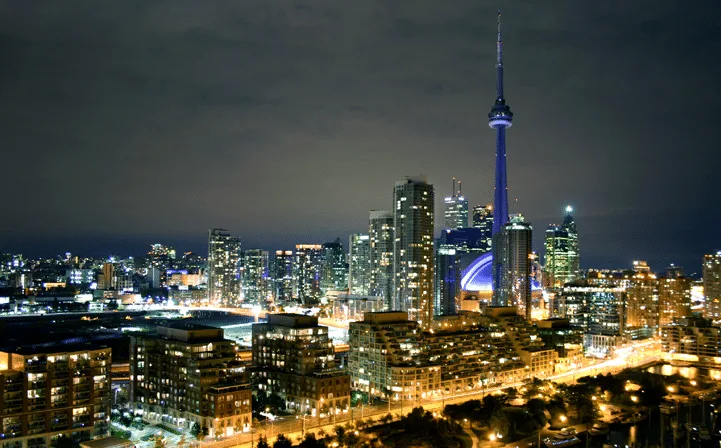
Washington, USA
Washington metropolitan area is almost the same size as that of Toronto. Today, it has got about 6.3 million people covering the area of 14,412 square kilometres. Washington area is the sixth largest metropolis of the United States and eighth largest and among the most populated cities in North America. 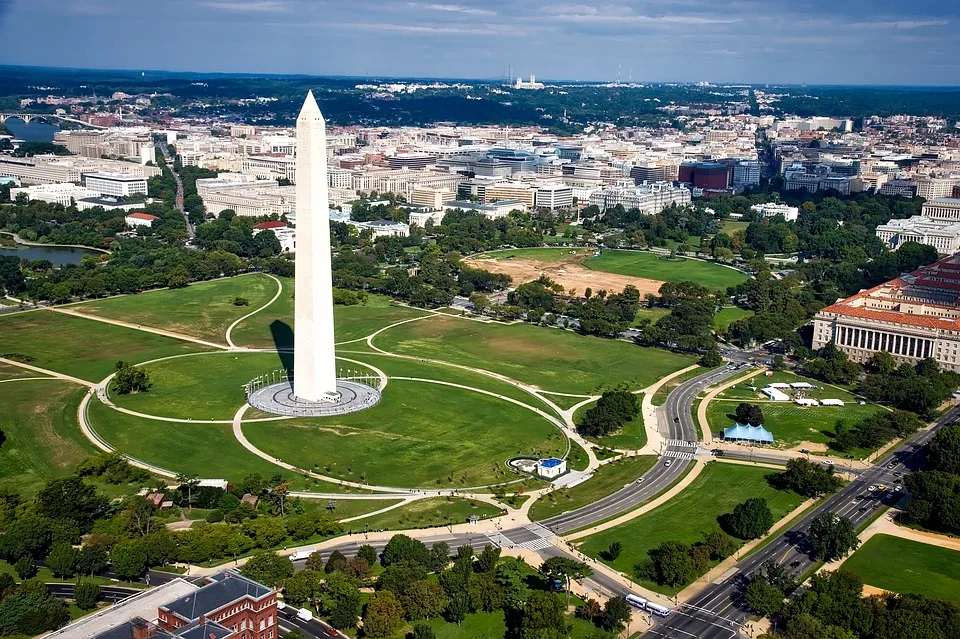
Philadelphia, USA
With 6.1 million people and more than enough territory at its disposal, Philly, as it’s colloquially called, made it on our list of largest cities in North America by population. Even though Philadelphia itself harbours about 1.7 million people, its metropolitan area is significantly larger. 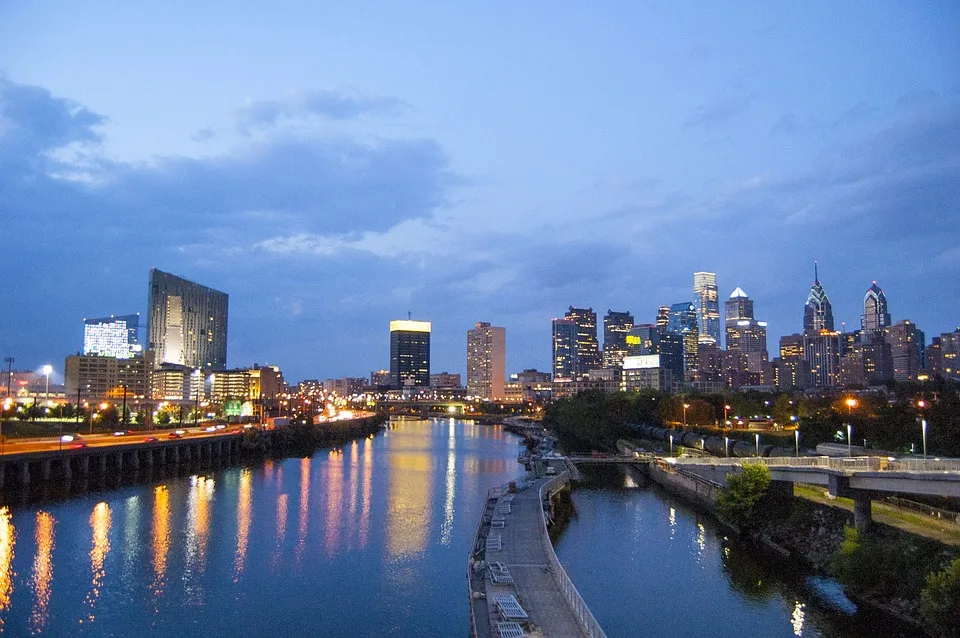
Miami, USA
The largest metropolitan area in Florida goes by a couple of names - call it Miami metro, Greater Miami Area or even South Florida. It encompasses 15,890 square kilometres and about the same number of people as in Philly call it home - 6.1 million. 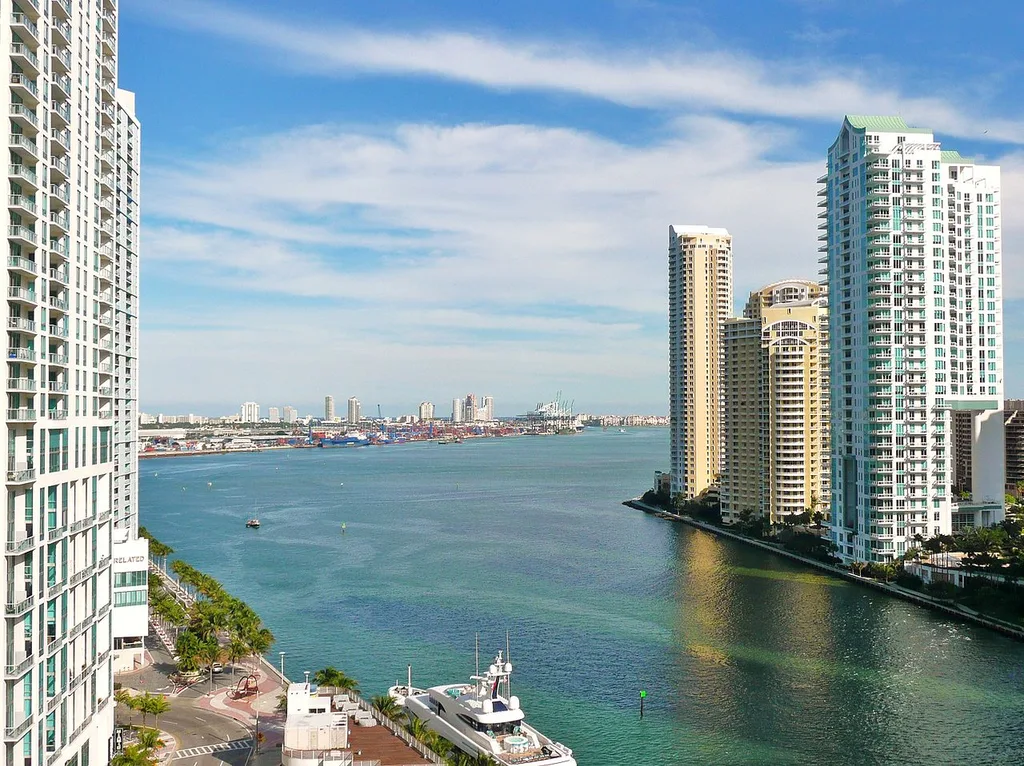
Atlanta, USA
About 5.8 million people live in Metro Atlanta, or as it’s otherwise recognised by the US government as Atlanta-Sandy Springs-Roswell area. Metro Atlanta, Georgia covers 21,694 square kilometres, which comes close to the size of the state of Massachusetts. 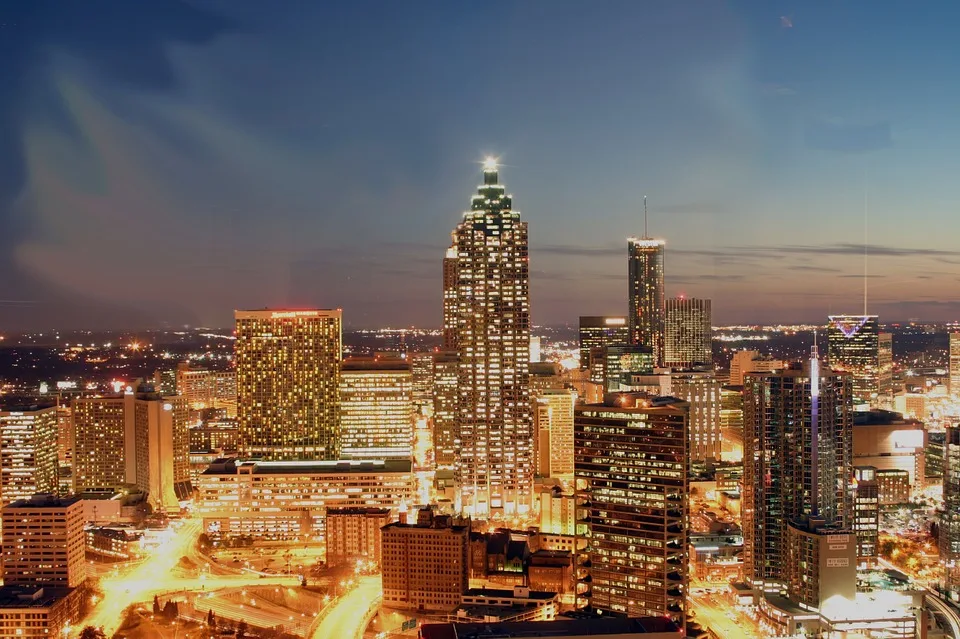
Guadalajara, Mexico
The last entry on our list and also the twelfth most populated city in this region of the world is Guadalajara in Mexico. Its metropolitan area now includes a bit over 5 million people, which is significantly less than other megalopolises of North America. It is definitely not even possible to compare it to Mexico City, but it’s large and highly populated nonetheless. 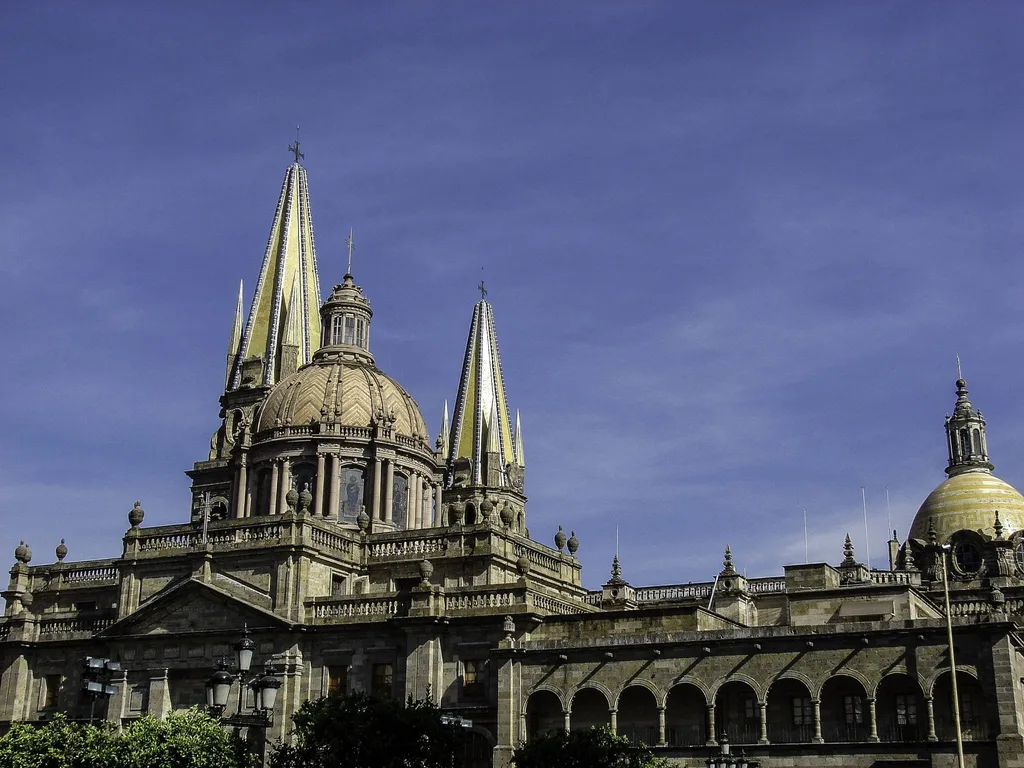
FAQ: most populated cities in North America
What counts as a city’s population here?
We focus on metropolitan regions (city cores plus economically connected suburbs and nearby counties), not just the population inside municipal limits.
Is Mexico City the largest city in North America?
By many metro definitions, yes—Mexico City is often cited among the continent’s largest urban agglomerations, competing closely with Greater New York depending on boundaries and data year.
Why do rankings change?
Metro boundaries, commuting patterns, and census updates can move numbers by millions. Always cross-check official statistics when planning policy, business, or research.
Last updated: April 2026.
Honourable Mentions
There are many other great cities and metropolitan areas in North America. However, they don’t come close or compare to any others on this list and they’re also less influential. Moreover, they are not as populated, making them less valuable for this particular compilation of cities. Nonetheless, they deserve a spot in honourable mentions:
- Boston population: 4.7 million
- San Francisco population: 4.6 million
- Phoenix population: 4.5 million
- Inland Empire population: 4.4 million
- Monterrey population: 4.4 million
- Detroit population: 4.3 million
- Montreal population: 4 million
- Seattle population: 3.7 million
Related travel guides
Keep planning with these closely related guides from Truly Traveled:
- Best South American Countries to Visit - adds another useful North America travel idea.
- The Best Way to See South America - adds another useful North America travel idea.
- Discovering Hidden Gems: The Top Small Towns You Haven’t Heard Of in America - adds another useful North America travel idea.
- Traveling In South America? 10 Tips to Enjoy the Long Haul Bus Experience - adds another useful North America travel idea.
Updated Planning Notes
Use this guide as a starting point, then verify the details that change fastest: opening hours, ferry or flight schedules, local transport rules, entry fees, seasonal closures, weather alerts, and booking requirements. For The Most Populated Cities in North America (Metro Areas & FAQs), the best itinerary is usually the one that keeps the original appeal of the destination while leaving enough flexibility for real-world travel conditions.
If you are comparing several options, start with timing and logistics before choosing hotels or tours. A slightly less famous area can be the better choice when it gives you easier transport, better prices, or more time actually enjoying the trip instead of moving between stops.
Frequently Asked Questions
How should I use this guide today?
Use the main article for inspiration and route ideas, then confirm current prices, local rules, and availability close to your travel dates. Travel details can change quickly, especially around holidays and high season.
What is the best way to avoid overplanning?
Choose two or three priorities and build the trip around them. Keep one flexible block for weather, transport delays, or a slower local experience that you discover after arrival.
Is this still useful for budget planning?
Yes. The best budget decisions usually come from reducing transfers, booking the right base, eating locally, and avoiding peak travel windows when possible.
What should I check before booking?
Confirm transport connections, cancellation rules, neighborhood location, seasonal weather, and whether major attractions require advance reservations.